01 / MATERIALS
Raw Material Review
Identity and documentation checks, appearance assessment and review of supplier specifications and certificates where applicable.

Practical quality control, structured stability programs and independent laboratory testing coordination to help brands move from development to manufacturing with confidence.
Discuss Your Testing Needs ↗A reliable cosmetic product requires more than an attractive prototype. Our quality support combines practical in-house assessments with a defined stability program and, where appropriate, specialist testing performed by independent laboratories.
We tailor the testing scope to the formula, packaging, intended market and stage of development. Results help identify potential risks, guide formulation adjustments and support production readiness.
Innova coordinates the process and helps clients interpret findings, while clearly identifying which evaluations are performed in-house and which are outsourced.

Routine physical and chemical evaluations help us assess incoming materials, development batches and finished products against agreed specifications.
Identity and documentation checks, appearance assessment and review of supplier specifications and certificates where applicable.
Product-specific monitoring of pH, viscosity, appearance, color, odor, homogeneity and other relevant attributes.
In-process observations, batch-to-batch comparisons, specification review and manufacturing documentation appropriate to the product.
Our stability programs use complementary storage conditions and repeat observations to identify physical changes and support informed shelf-life and packaging decisions. The three core approaches are:
Repeated freezing and thawing cycles assess a formulation's resilience to temperature fluctuations, with attention to phase separation, crystallization, texture and other physical changes.
Controlled storage at 40°C to monitor changes in appearance, pH, viscosity, color, odor and overall physical stability under elevated-temperature conditions.
Ongoing evaluation under normal storage conditions to observe product behavior over time and complement accelerated and stress-testing results.
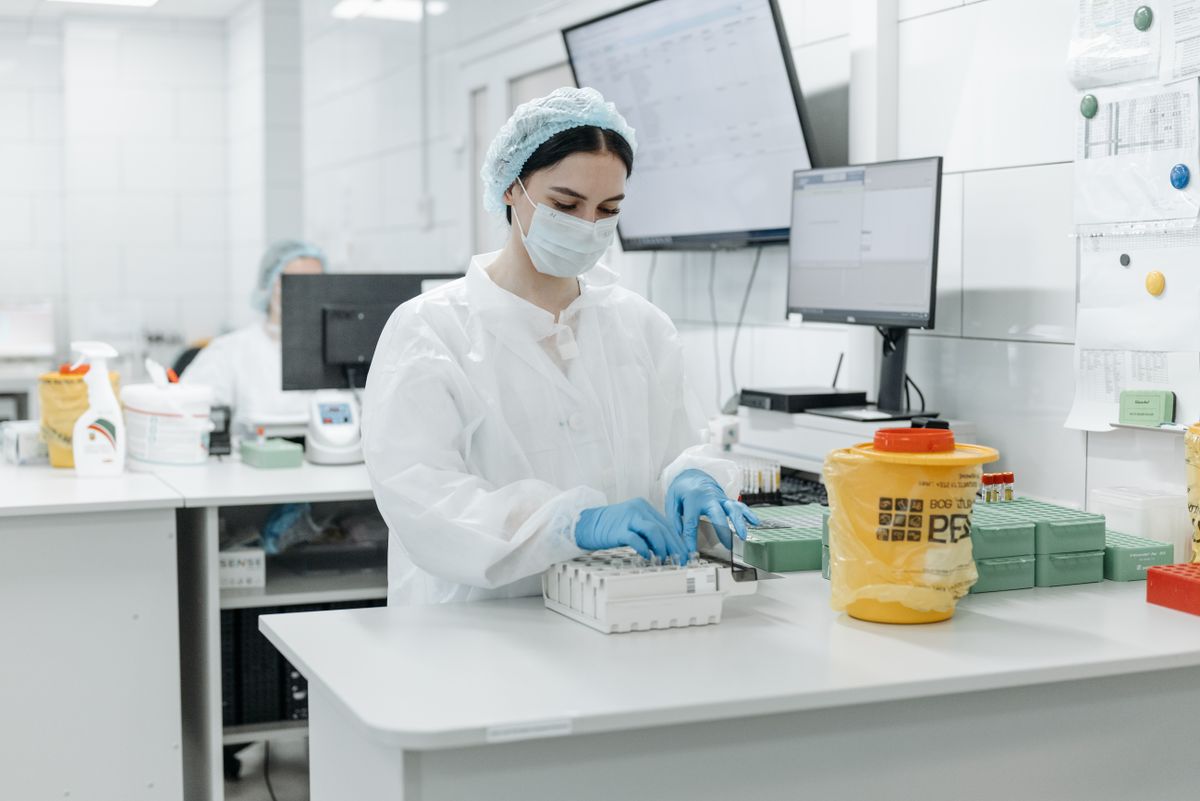
Where relevant, we assess samples in their intended packaging and monitor changes that could affect appearance, dispensing, compatibility or product integrity.
Study duration, observation intervals and acceptance criteria are agreed based on the product. Accelerated and freeze–thaw results inform stability assessment but do not, by themselves, establish a definitive shelf life.
Preservative Efficacy Testing (PET), also known as challenge testing, is outsourced to a qualified microbiological laboratory. This is a deliberate separation: challenge testing introduces test microorganisms, which we do not bring into our cosmetic production laboratory.
We can coordinate sample submission, review the resulting report and work with the client on any formulation or preservation changes indicated by the findings.
Other specialist microbiological or analytical testing can be arranged externally when required by the product or project scope.
Ask About PET Coordination ↗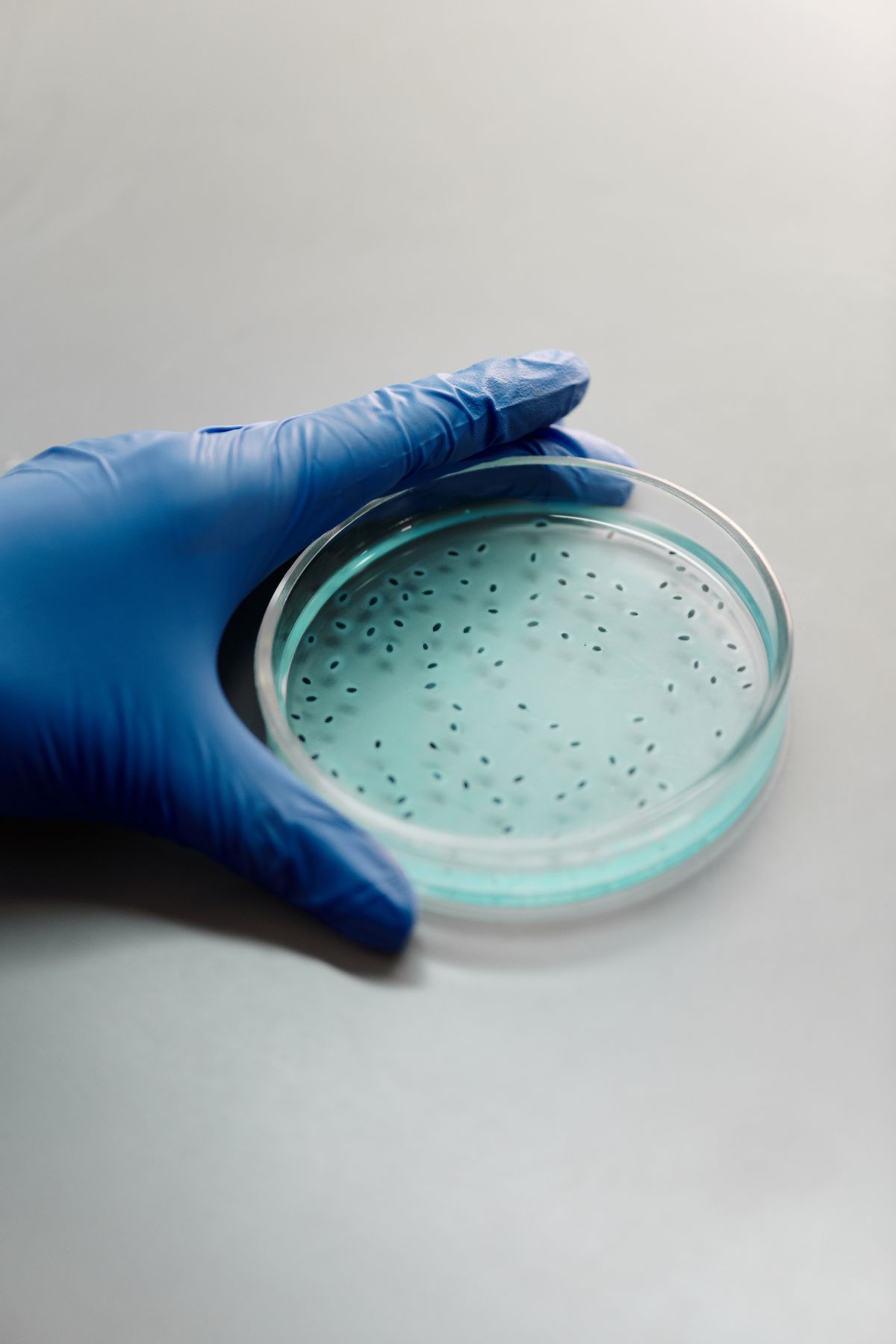
Understand the formulation, packaging, development stage and testing objectives.
Agree the test scope, conditions, sampling plan and acceptance criteria.
Perform in-house assessments and coordinate specialist laboratory services as needed.
Review results, identify issues and recommend practical next steps.